

Calverley Timber Works Calverley
Woman seated in a calm British living room resting her hands on her knees beside a folded blanket and everyday grip aids

Calverley Timber Works — United Kingdom

Managing everyday joint discomfort at home

Long-term discomfort rarely follows a neat schedule. Some mornings you wake up stiff and slow; other days you forget about it until you reach for something on a high shelf. This is a practical UK resource for the unglamorous middle ground: what you can reasonably do in your own kitchen and bathroom, without pretending there is a quick fix.

Start with what your day actually asks of you

Most advice about long-term discomfort is written as if everyone has the same morning. They don't. If your worst moment is getting out of a low armchair, that is the thing to work on first. If it is opening jars or reaching the top cupboard, that is a different problem with different tools.

Spend one week noticing where you hesitate. Not where it hurts most, but where you pause, brace, or ask someone else to do it. That list is your starting point, and it is more useful than any generic plan. From there, pick two or three changes rather than trying to overhaul everything at once.

See daily living aids for hands and home

Movement keeps the range you still have. It doesn't rebuild what has worn. Anyone selling you that story is selling something.

The NHS advises low-impact exercise such as swimming, walking, pilates, and yoga. What matters at home is frequency, not intensity. A ten-minute walk most days beats one long session you dread and then abandon.

Man taking a short walking break in his kitchen beside a lightweight kettle and jar opener

Low-impact movement at home

A ten-minute walk most days beats one long session you dread

Think of movement as maintenance: small, regular, repeatable. Short and often is the shape that survives a busy week. If a movement makes things sharply worse, stop and note it rather than pushing through — that note is information, not failure.

Pace it around your day rather than bolting it on. A few minutes before the kettle, a slow lap of the garden after lunch, a seated stretch while the news is on. Nothing dramatic, nothing to schedule around.

Compression gloves and supports: what they honestly do

Gloves and supports are widely sold as home aids, and many people find them useful for warmth, light compression, and confidence during activity. Their makers are clear about the limits, which is the part worth reading twice.

Actimove Arthritis Care gloves

Light compression for hands

Actimove describes its Arthritis Care gloves as providing light compression, helping reduce swelling, and improving hand and finger mobility. That framing matters: everyday comfort and movement, not sport or performance. People often wear them for cooking or cleaning and take them off afterwards.

A wrist support such as the Actimove Arthritis Care Wrist Support is designed to give comfortable warmth and light compression, and Actimove positions it for daily activity rather than sport. Good for the half hour of kitchen work that used to cost you the next morning.
Bauerfeind GenuTrain A3

Structured knee support

Structured supports sit in a different category. Bauerfeind presents the GenuTrain A3 as a usual starting point for general knee support needs, and notes that supports do not reverse joint changes. Read that again, because it is the honest version.

A support can help with comfort and steadiness during activity; it will not undo wear that is already there. If a knee feels unreliable on stairs, that is the situation a structured support is designed around — not a long-term answer to everything.

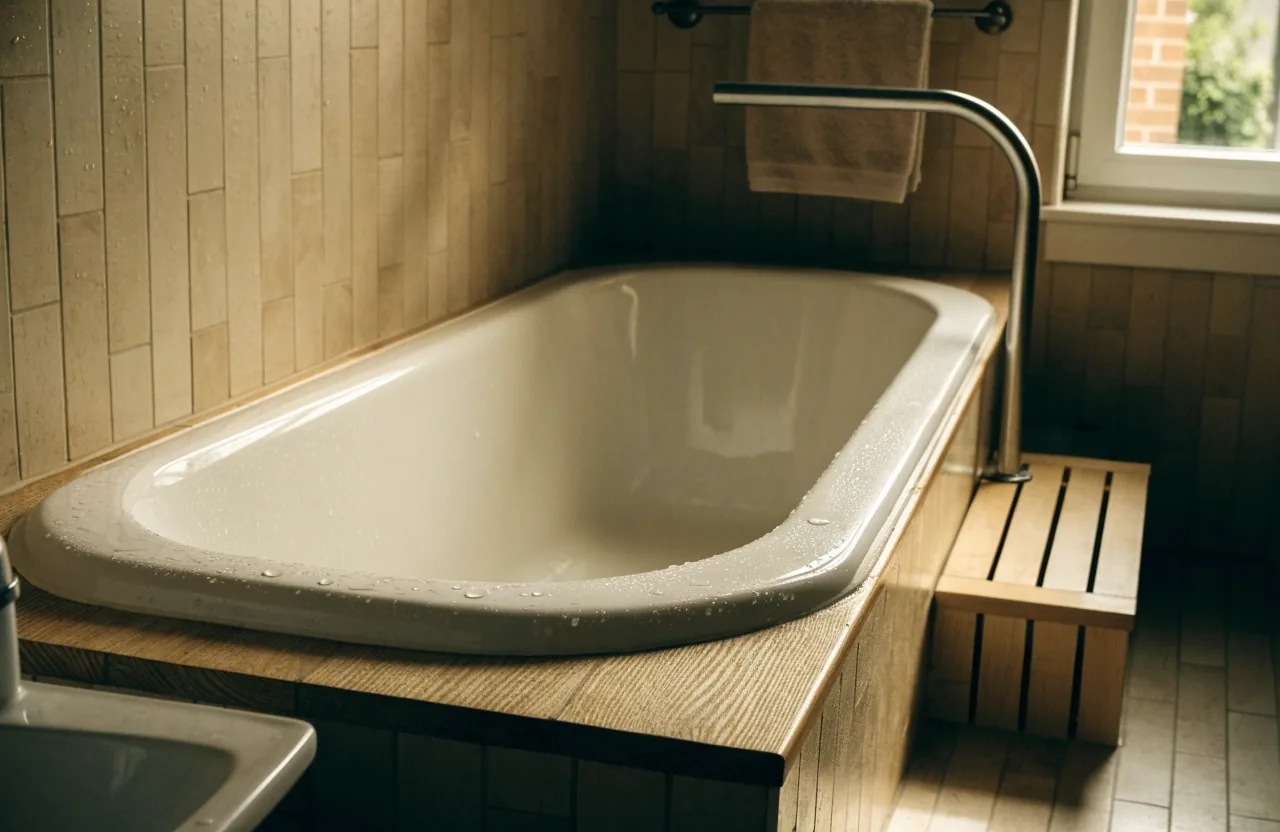
Low bath step with a non-slip platform and handrail fitted in a British bathroom

Small aids that remove the hardest half-second

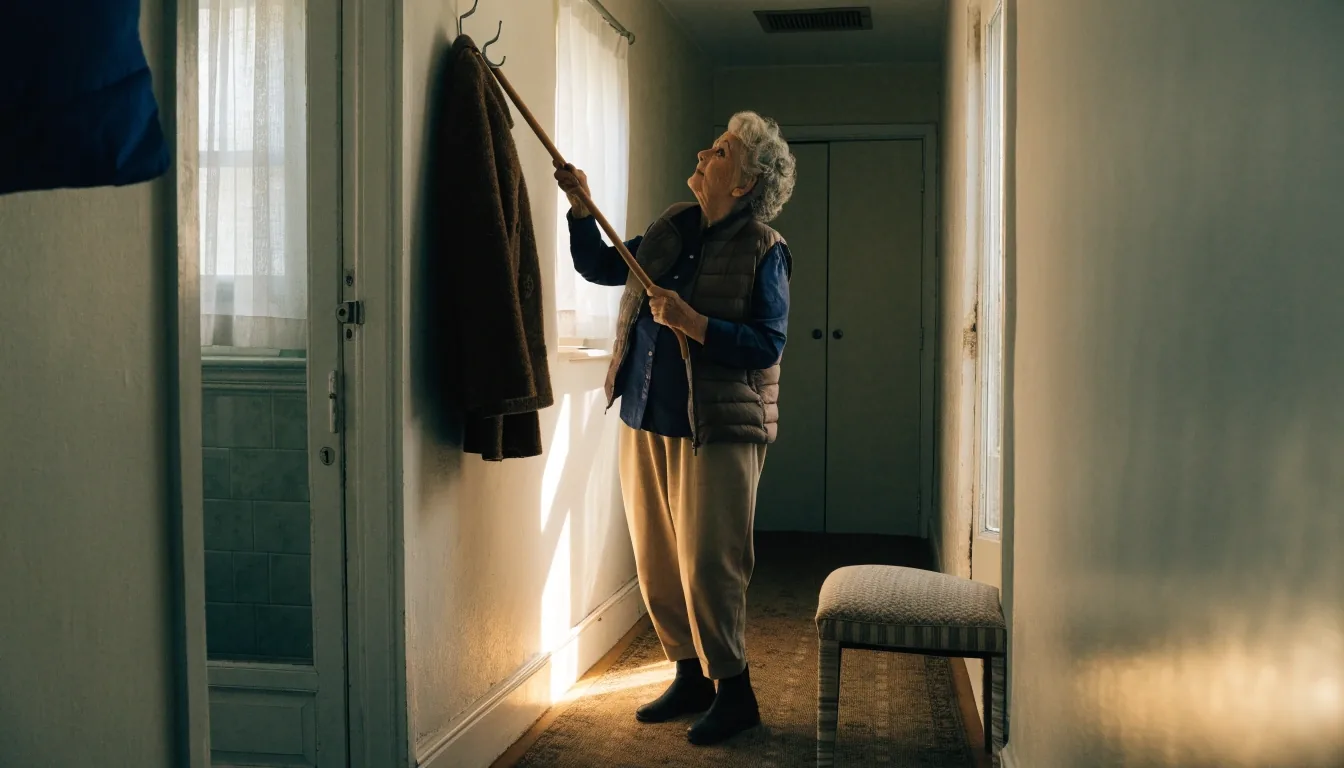
The most useful daily living aids are unglamorous. A reacher grabber lets you pick something off the floor or from behind furniture without bending or twisting. The Classic Reacher Grabber sold through Arthritis UK Shop includes a built-in dressing post, a hooked trigger, and a non-slip jaw, so it also helps with dressing tasks.

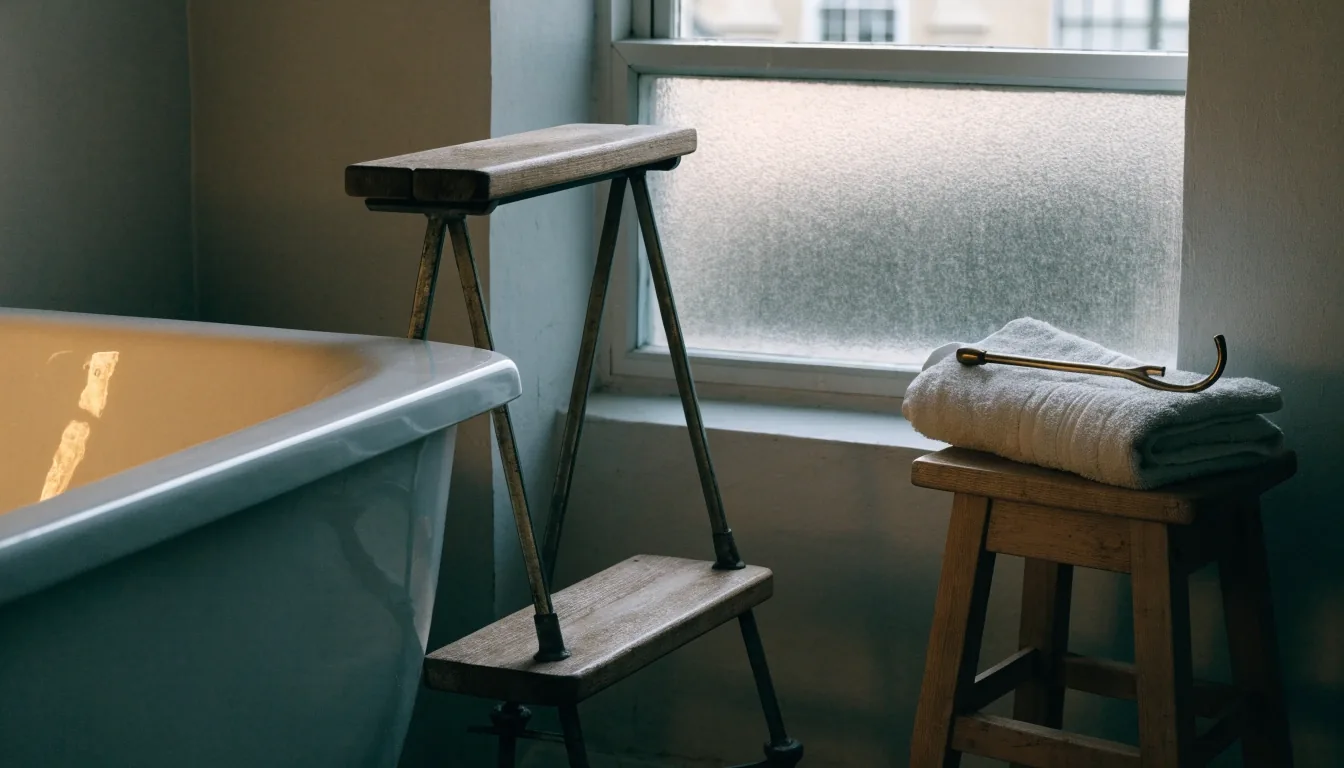
A bath step does something similar for the bathroom. Arthritis UK Shop describes The Bath Step as helping people get into and out of the bath with more confidence, with a stable non-slip platform and a handle. It reduces the height you have to step. That is it — and that small change is often the difference between bathing independently and needing help.

See daily living aids for hands and home

Warmth, ice, and timing

Heat or ice: reading the area, not the rulebook

If the area feels hot, swollen, and angry, cold is usually the kinder option. If it feels stiff, cold, and reluctant to move, warmth tends to help more. That is the short version, and for most people it is enough.

Use a cloth between the pack and your skin and keep sessions short. If cold makes your hands ache more, stop and try warmth instead. There is no prize for following the wrong method stubbornly.

Warmth, before you move

A warm shower before your exercises, a wheat bag while you read, a hot drink in stiff hands. Heat eases the reluctant, morning-stiff feeling and makes the first five minutes of movement easier to start.

Cold, after a long day

A gel pack from the freezer for twenty minutes tends to suit an area that feels hot and puffed after a busy afternoon. Wrap it in a thin cloth. Keep it short, and stop if it makes things worse.

The trick is timing either one around activity rather than waiting until everything seizes up. Neither fixes the underlying joint, and that is fine — they are comfort tools, and comfort counts.

Cooking, cleaning, and grip

Kitchen work is where hands get tested most. Lids, taps, and heavy pans all demand a grip that stiff fingers don't want to give. Wrist supports are designed for comfortable warmth and light compression during daily activity, and people often wear them for cooking or cleaning and take them off afterwards.

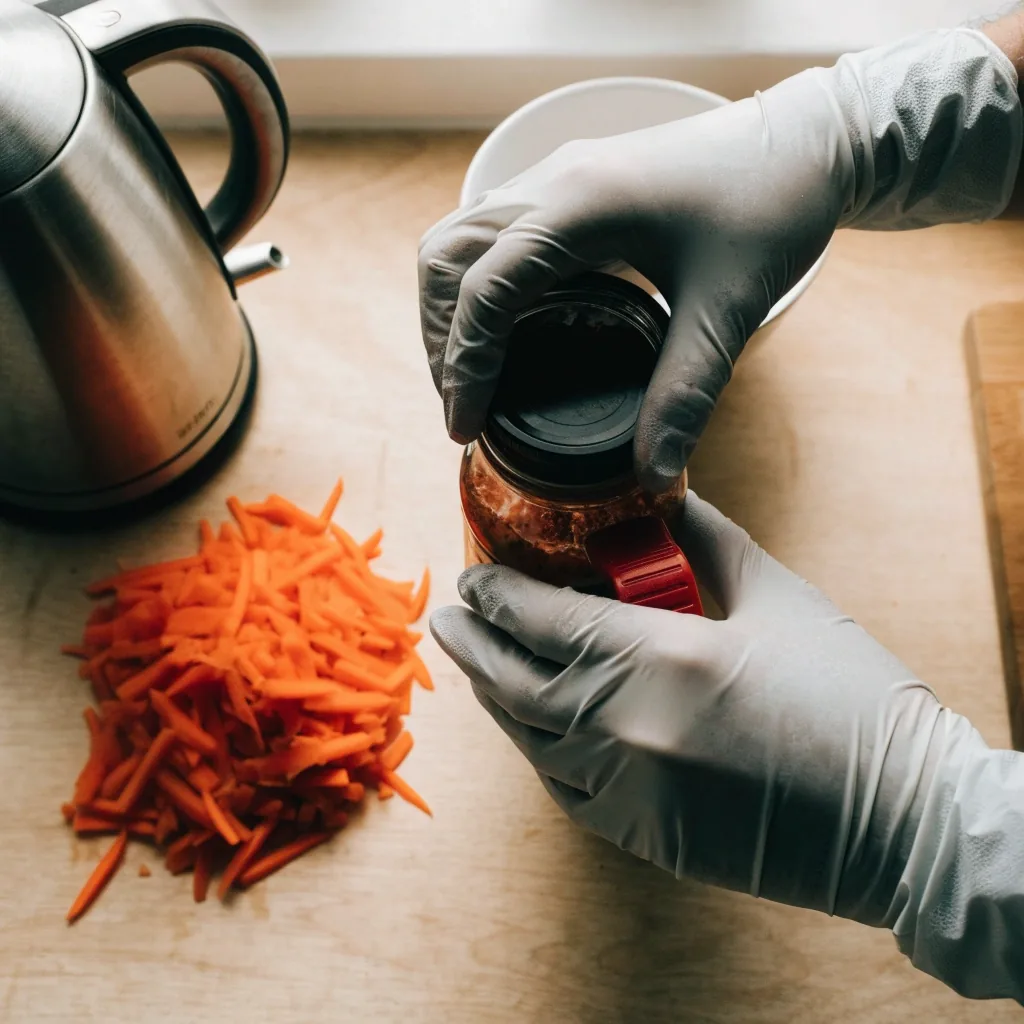
Simple swaps help too. A jar opener, a lighter kettle, sitting down to chop vegetables — each one reduces the load on your hands. None of this is dramatic. It just means dinner gets made without your hands paying for it the next day.

Keep the swaps where the task happens. The jar opener stays on the worktop, the lighter kettle replaces the old one, the stool stays at the counter. Aids you have to fetch are aids you won't use.

Hands wearing light compression gloves opening a jar with a lever opener on a kitchen worktop

Building a routine that survives a bad week

Any routine you build will meet a week where it falls apart. That is expected, not a failure of willpower. The people who cope best tend to have a scaled-down version ready: five minutes of movement instead of twenty, warmth instead of a walk, aids instead of effort.

Keep that minimum version visible in the room. A pair of compression gloves by the kettle, a reacher grabber by the sofa, a stretch you can do sitting down. On good days you add to it; on bad days you keep the floor. That is how routines last past the first enthusiastic fortnight.

Older woman using a long-handled reacher grabber to lift a coat from a hallway hook

Staying independent in a UK home

British housing doesn't always help. Narrow bathrooms, low chairs, steep stairs. If you rent, you may not be able to change much, which makes portable aids more valuable — a bath step and a grabber travel with you and don't need anyone's permission.

If you own your home, small changes are worth considering over time, but start with the portable items. They cost less, they reverse if they don't suit, and you will learn what you actually reach for before committing to anything structural.

Knowing the limit

When home routines are not enough

Home care has limits, and knowing them isn't failure. If swelling comes on suddenly, if a joint locks or gives way, or if you are losing function week by week rather than slowly managing it, that is a conversation to have with a professional. The NHS Highland flare-up guidance mentions NSAID gel as part of self-management when prescribed, applied as instructed — one piece of a wider plan, not a fix on its own.

The practical step is to write down what changed and when, which areas are involved, and what you have already tried. Bring that to your GP or pharmacist. A short note beats trying to remember it in the room.

Read when to ask a professional

What this site is, and what it isn't

Calverley Timber Works publishes general information about managing long-term discomfort at home. We are not a medical service. We don't diagnose, and nothing here replaces advice from your GP, pharmacist, or physiotherapist.

We name products because they are widely available and their makers publish clear descriptions of what they do. We don't claim they will restore anything. If a page here ever sounds like it is promising more than comfort and function, tell us and we'll fix it.

What can I do at home when things suddenly feel worse?

Ease off movement rather than stopping entirely, use warmth or cold depending on how the area feels, and rest. If it doesn't settle in a few days, or if it is suddenly swollen and hot, speak to a pharmacist or GP.

Heat or cold for a bad spell — how do I pick?

Cold tends to suit areas that feel hot and puffed; warmth tends to suit stiff, cold ones. Use a cloth barrier and keep sessions short. If one makes it worse, switch to the other.

Which everyday aids make dressing, bathing, and cooking easier?

A reacher grabber with a dressing post, a bath step with a non-slip platform and handle, a jar opener, and light compression gloves cover most of it. Start with the task you avoid most.

How much should I move if movement itself hurts?

Some discomfort during gentle movement is common; sharp pain is a signal to stop. NHS advice points to low-impact options like walking, swimming, pilates, and yoga. Aim for short and regular.

When should I speak to a pharmacist or GP instead of carrying on at home?

If swelling appears suddenly, a joint locks or gives way, or function keeps declining, book an appointment. Bring notes on what changed and what you have already tried.

Are compression gloves and supports worth trying?

Many people find them useful for warmth, light compression, and confidence during activity. Manufacturers are clear they don't reverse joint changes, so treat them as comfort and support rather than a fix.

Warm-lit armchair at dusk with a folded blanket, tea mug and walking stick resting against the arm

Keep the floor, and build from there

Whether you are starting with movement, adding warmth and support, or picking up the first small aids, choose one thing this week. Then read the next page that matches it. If you would rather ask first, our address is 14 Calverley Road, Tunbridge Wells, Kent TN1 2TH, and we answer email at [email protected], Monday to Friday 9:00 AM – 6:00 PM, Saturday 10:00 AM – 2:00 PM.