
When to seek help
When home care is not enough
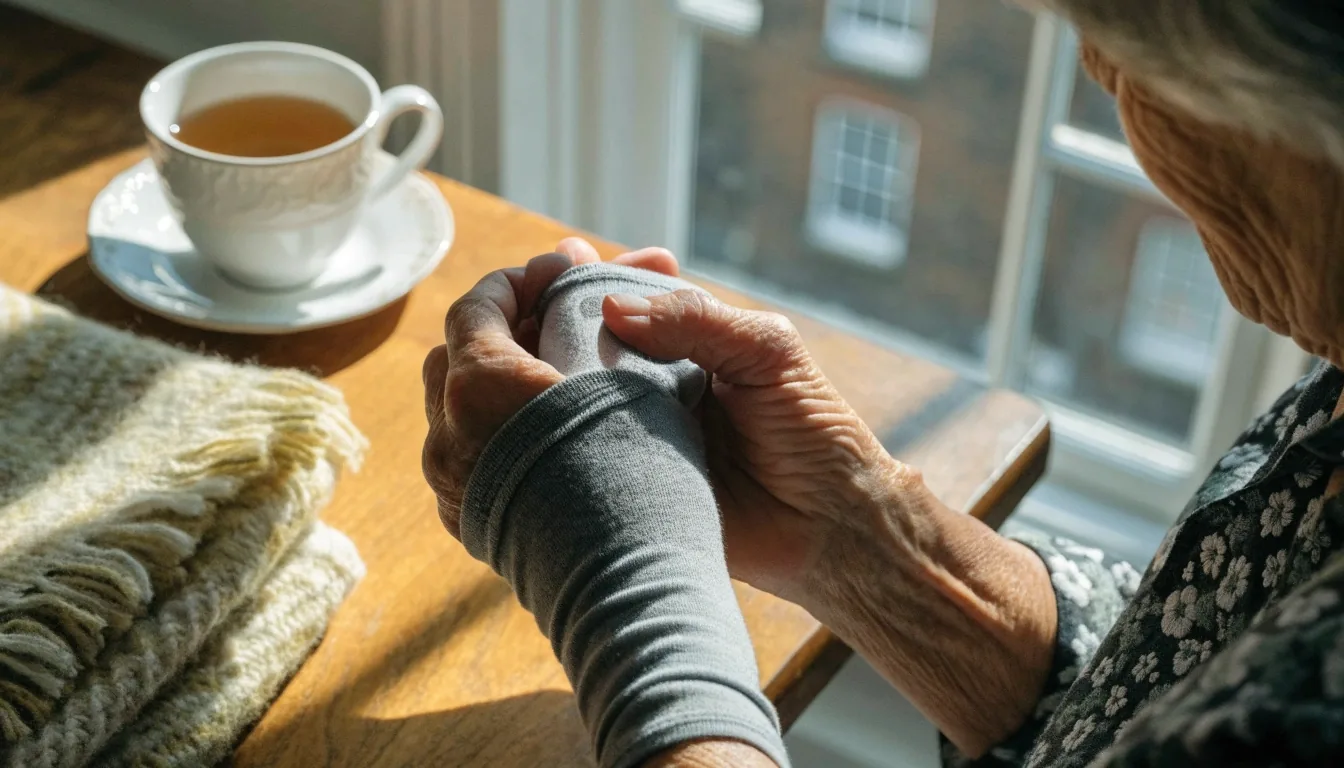
Home routines handle a lot. They don't handle everything, and knowing where the line sits is more useful than hoping you'll recognise it in the moment. This page sets out the signs worth acting on and how to make the appointment that follows go better.
Signs that need attention soon
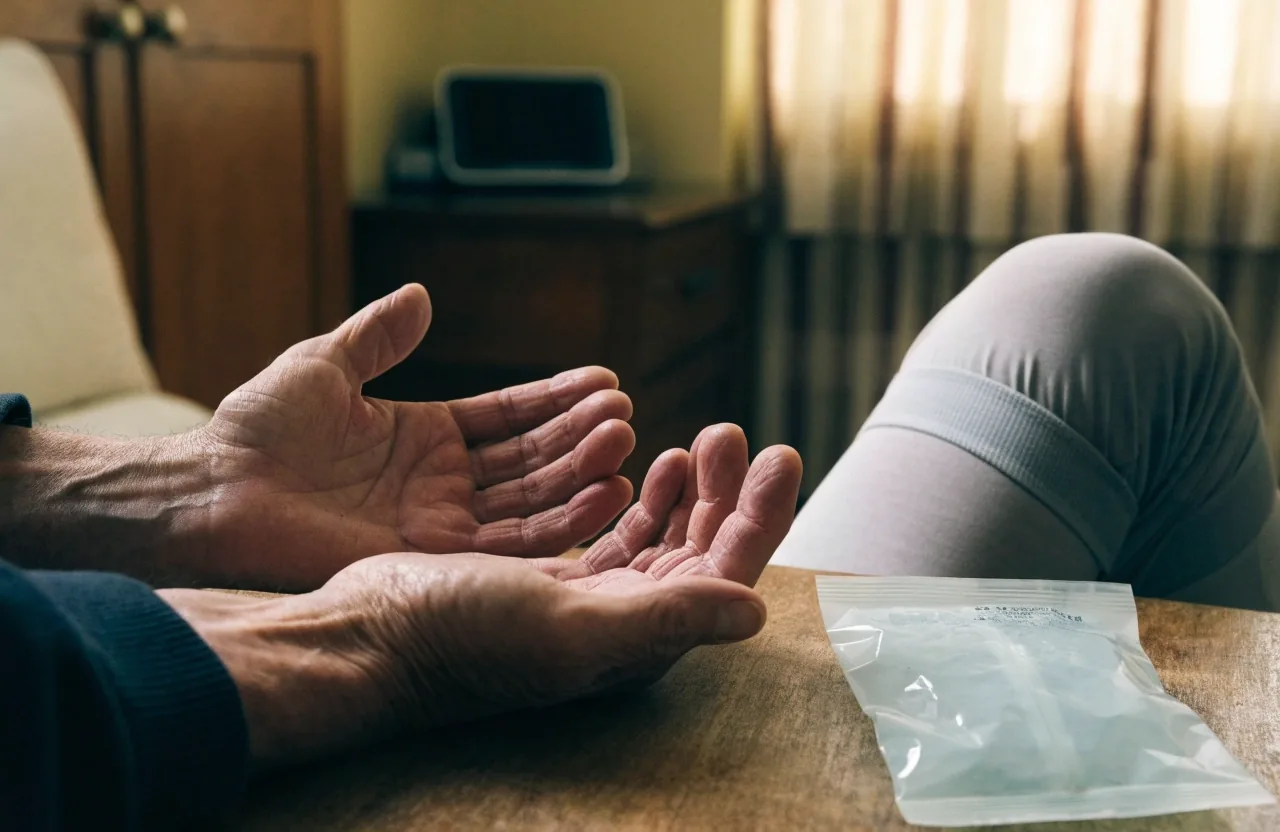
Sudden swelling in a joint you haven't injured is worth a prompt call. So is a joint that locks, catches, or gives way, or one that becomes hot and red without an obvious cause. These aren't reasons to panic. They're reasons to get a professional opinion rather than wait and see.
Get urgent help if you have severe pain with a fever, if a limb changes colour or goes numb, or if you can't put weight on a leg at all. Those are the situations where waiting costs more than it saves.
-
Call soon
A joint that swells without an injury, or turns hot and red for no clear reason.
-
Get it looked at
A joint that locks, catches, or gives way under you when you weren't expecting it to.
-
Urgent
Severe pain with a fever, a limb that changes colour or goes numb, or a leg you can't bear weight on.
The signal to act is when the direction of travel changes — not when a specific number is crossed.
The slow-decline question
Most people manage a gradual change for a long time before doing anything. That's normal and often reasonable. The signal to act is when the direction of travel changes, not when a specific number is crossed.
If you're doing less each month, avoiding more tasks, or relying on help you didn't need last year, that's a pattern worth describing to someone. Write down three examples with rough dates. The change over time is what a clinician needs to hear, more than how bad any single day was.
Worth writing down
- 1.Three everyday tasks you've stopped doing, with a rough month for each.
- 2.Which activities now need help that you managed alone a year ago.
- 3.The time of day things are worst, and anything that reliably eases them.


What the NHS already suggests
The NHS advises low-impact exercise, a healthy balanced diet, and keeping to a healthy weight, and notes that smoking can make arthritis symptoms worse. Those are the broad lifestyle points you'll hear repeated, and they're the same ones we build our pages around.
Beyond that, NSAID gel appears in NHS Highland's flare-up guidance for inflammatory arthritis care. The page presents it as part of self-management when prescribed, to be applied as instructed, rather than as a set answer. If you're wondering whether a topical option suits you, that's a pharmacist question, not a website question.
Preparing for a GP or pharmacist conversation
Bring three things: what changed, when it changed, and what you've already tried. One page of notes beats a vague description of it being worse lately. Include which joints, what time of day is worst, and whether anything makes it better.
Also bring your questions written down. Appointments are short, and the question you meant to ask is the one you'll forget. If you want to raise support aids or compression gloves, mention it: a clinician can tell you whether a structured support suits your situation better than a simple sleeve.
Take these to the appointment
- One page of notes: what changed, when, and which activities it affects.
- What you've already tried at home, and for how long.
- Your questions in writing, in the order you want them answered.
- Whether a support aid or a pair of compression gloves is worth discussing.
Borrow these five questions
- Is there anything about how this is changing that I should track at home?
- What would make you want to see me again sooner?
- Is help with daily living aids worth exploring now or later?
- Which activity should I keep doing, and which should I ease off?
- What should I do if things change before my next review?
What to expect from the conversation
You may be asked to try something before anything else happens, often movement, weight management, or a topical option. That's typical. It isn't a brush-off, and it's worth asking what would prompt a return visit.
If you don't understand something, say so at the time. Asking for a plain explanation is reasonable, and it's better than leaving with a plan you won't follow. Write down the answer while you're still in the room; it is the detail most people lose on the way home.
If movement is part of your next step, our guidance on low-impact movement at home covers what to try and how to build it up without flare-ups.
Between appointments
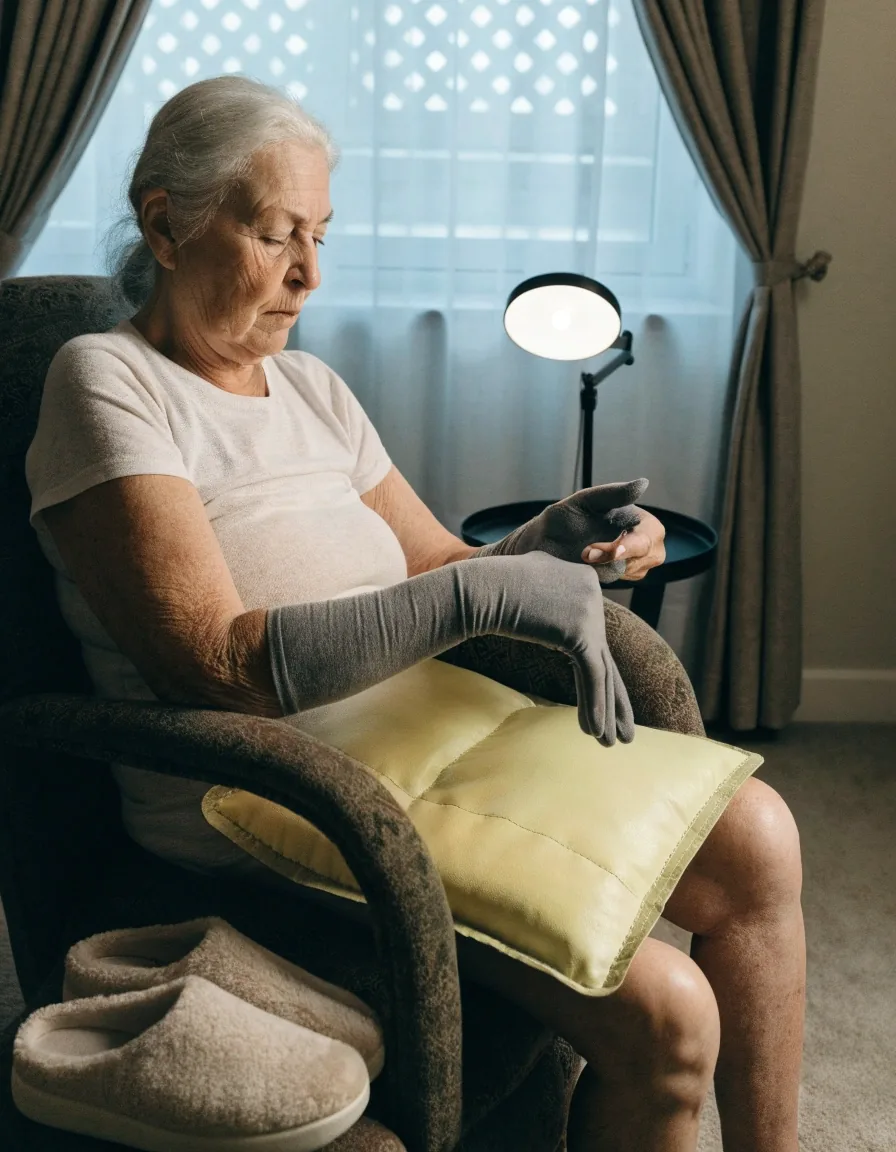
Keep the routine going while you wait. A support or a pair of compression gloves can make daily tasks easier in the meantime, and the guidance on warmth, compression and support aids covers what to try, plus what tends to help with everyday hand and grip tasks in our notes on daily living aids.
Keep the notes going too. What you record in the weeks before an appointment is often more useful than anything you can recall on the day: two lines a week on sleep, stiffness and what you managed without help is enough.
The limits of any website
We can describe what's generally advised and what's widely available. We can't assess your situation, and we won't pretend otherwise. If something in your body has changed, the answer isn't on a page. It's in a room with someone qualified to look at it.
That's not a line tucked at the bottom. It's the honest boundary of what home guidance can do, and it's worth saying plainly.
Questions people ask before they ring
Should I wait for my next review, or call sooner?
Call sooner if something has changed in the way described above: sudden swelling, a joint that gives way, or heat and redness without a cause. For a gradual change, bringing it to your next appointment is often fine, as long as you bring the notes with dates.
Can I ask a pharmacist instead of waiting for a GP?
Yes, for practical questions about what to use on a joint, how to apply it, and what to avoid alongside it. A pharmacist is a good first stop for topical options. Anything that needs to be looked at, felt, or tested belongs with a GP.
What if I'm told to try movement before anything else?
That's the usual first step, and it's worth asking what to expect and when to come back. Keep the routine gentle and consistent, and note which movements feel easier after a few weeks rather than day to day.
How long should I keep notes before booking?
Two to three weeks is usually enough to show a direction of travel. Three examples with rough dates tell a clearer story than a single bad morning, and they take about ten minutes to write up.
If it's changed, get it looked at
If you'd like a plain explanation of how we put these pages together, what we cite, and where we stop, our notes on that are open to read. There is a real distinction between advice you can act on at home and a change that needs eyes on it, and we try to keep it visible on every page.
Calverley Timber Works
A UK resource for managing long-term joint discomfort at home, with the boundaries of home care stated plainly.
14 Calverley Road, Tunbridge Wells, Kent TN1 2TH, United Kingdom +44 1273 338975 [email protected] Monday to Friday, 9:00 AM – 6:00 PM; Saturday, 10:00 AM – 2:00 PM